


A scientific expedition with a hint of holidays: Sleeping surrounded by sounds and lemurs – August 5

The first night in the forest felt strange. I don’t know if it was exhaustion taking over, but reaching the tent and getting into the sleeping bag felt like a huge relief. The day before, we had done the longest hike ever, carrying all our equipment on our backs, arrived, set up camp, and then went out to install the nets and try to capture bats. The warm sleeping bag felt like a bed in a five-star hotel.

Waking up to the sounds of the forest
The first night was very peaceful, but I was eager to wake up early and explore the forest before breakfast. Of course, I wouldn’t go far from the camp, especially since we hadn’t agreed on a schedule, but I wanted to look for animals in the first light of day. I set my alarm and left Vanessa sleeping in the tent.
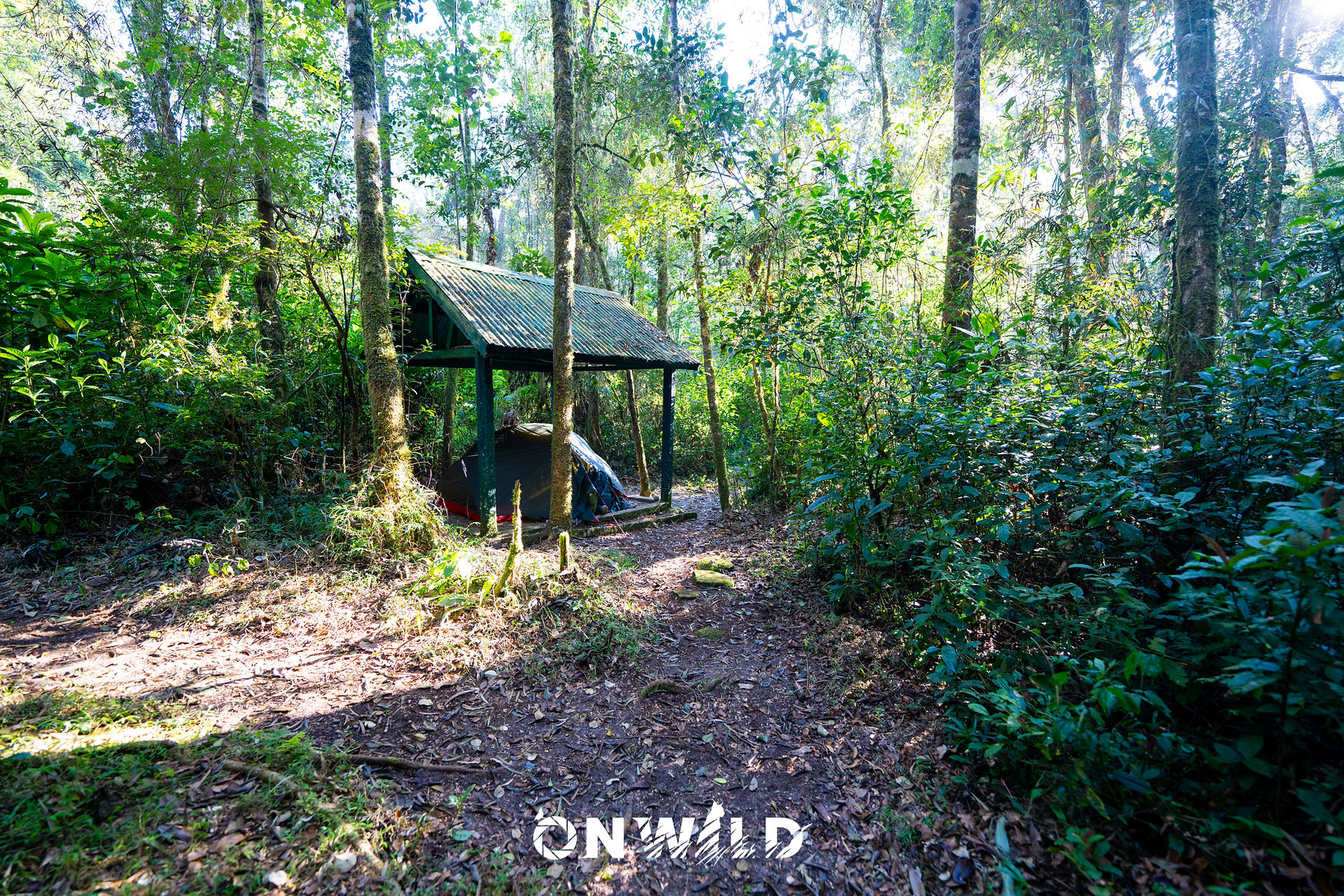
Our camp
The camp consisted of half a dozen tents, some set up under small shelters. There was a kitchen area with a table and a simple wooden toilet with a hole in the ground. Even so, it was a perfect camp.
After my morning walk — which in reality consisted of simply standing still and listening to nature — I returned near the tents, where Vanessa, Ricardo and Thalya were already ready for breakfast.
We all walked together to the small kitchen area, where the Malagasy guides were already gathered. We entered almost like strangers. I tried to absorb everything: pieces of meat hanging above the fire so as not to attract flies, dishes waiting to be washed — which would be done in the river — aluminium plates and cups, and stone benches covered in tiles, somewhat similar to picnic areas in Portugal.
We sat down for breakfast while discussing the plan for the day. Breakfast was simple: bread with butter, coffee (which I don’t drink), and a very strange tea — I could swear it tasted like burnt coffee or maybe burnt rice. I couldn’t drink it, but Vanessa liked it. I ended up just drinking water and wasn’t bothered at all.
The rest of the camp was completely surrounded by forest. Knowing what to expect, I had brought a tarp, which could be used for rain protection but in this case served as a groundsheet under the tent, preventing it from getting wet overnight and helping keep the interior clean. It also allowed us to take off our shoes on top of it, avoiding bringing muddy footwear inside. And believe me, there was plenty of mud!
But what impressed me most was the amount of forest surrounding us. The paths between shelters and tents were not open clearings, but narrow trails enclosed by vegetation. Sunlight barely reached the ground, and on those colder days, it would have been nice to catch some sun, but the trees wouldn’t allow it. It was an incredible experience, one I would repeat without hesitation.



The birds and butterflies around camp
One advantage of working with bats was that we had the rest of the day free — well, almost free, since we still had to prepare the capture equipment. Another important task was placing Audiomoths throughout the forest, spaced about 500 metres apart. Since we had the day available, that’s what we went to do. I couldn’t help much, so I took the opportunity to photograph the animals we encountered along the way, focusing mostly on insects, since lemurs and birds stayed more hidden at that time of day. And the few birds I managed to photograph didn’t allow for great images.


A pair of lemurs sleeping above the tents
But the best moment was reserved for the end of the day. After returning to camp from placing all the Audiomoths, we rested for a while and, as we were preparing equipment, Ricardo suddenly spotted two lemurs moving above the camp. I ran to grab my gear and returned to the spot, hoping they were still there. Luckily, they were — calmly feeding. This allowed us to take many photographs and record several videos. The funniest part was that they eventually stayed sleeping in a tree above our tents while we rushed to collect the capture equipment and headed to the locations where we would work that night. Heart full.


Another capture session
Work always started late in the afternoon. The team moved to forest trails, clearings, or areas close to watercourses, places where bats usually fly at dusk. We set up special, nearly invisible nets called mist nets, positioned along natural flight corridors. Then all that remained was to wait. As night fell, the forest transformed completely.
The capture site wasn’t far from camp, which allowed us to return for dinner — in this case, half the team first, then the other half. We set up all available nets. In fact, we still had more nets, but not enough poles, something later solved in the following capture sessions by our guides, Mamatina and Nirina.
When a bat becomes entangled in a net, the team quickly moves to remove it safely.
Each animal is carefully freed to avoid injury. Scientific measurements then follow: weight, forearm length, species identification, sex, and reproductive status. Some individuals are photographed and recorded before being released again.
Madagascar has dozens of bat species, many of them found nowhere else. There are insectivorous, fruit-eating, and nectar-feeding bats, all playing essential ecological roles. Some control insect populations, others help disperse seeds and pollinate plants. Without bats, many of these ecosystems simply wouldn’t function. And yet, they remain widely misunderstood animals.


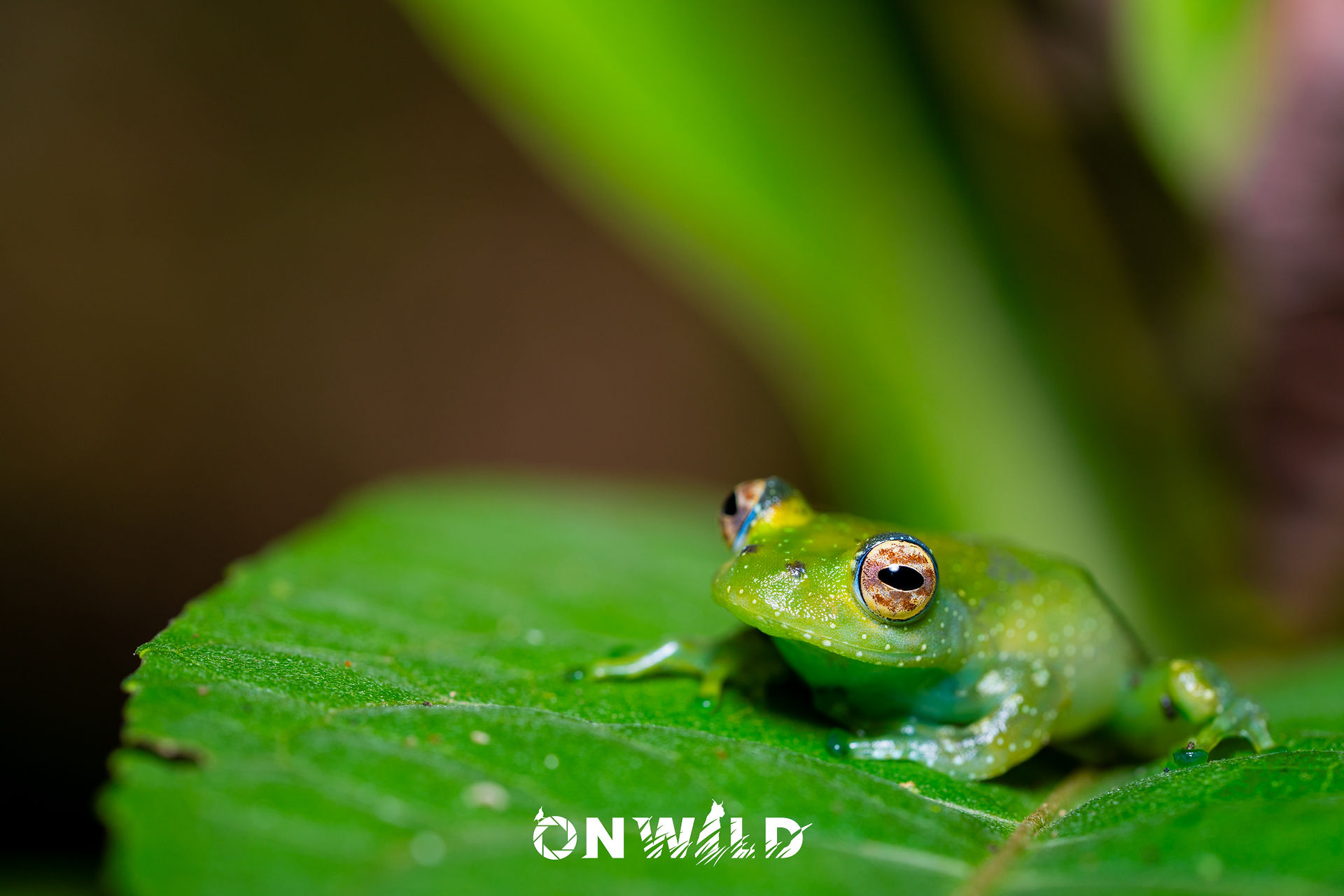
Amphibians and invertebrates
Contrary to what many imagine, the tropical forest does not sleep. Insects begin to sing, frogs appear everywhere, nocturnal lemurs move through the canopy, and, invisible to us, hundreds of bats begin hunting. Working at night also means dealing with rain, mud, constant humidity, and slippery terrain. But it is also when the forest reveals its most mysterious side.
Despite its natural richness, Madagascar faces enormous environmental challenges. Deforestation, intensive agriculture, and human pressure continue to reduce natural habitats. Scientific projects help us better understand existing species and the importance of preserving these ecosystems. Knowing is the first step toward protecting them.




Comments