


A scientific expedition with a taste of vacation: The first day of rest at ValBio Center – August 9

After several intense days deep in the forest, returning to a place with more comfort created an unexpected contrast. Sleeping on a mattress, having access to basic facilities, and slowing down the pace should have felt like a clear relief. However, the connection to the wild environment, the camp routine, and the full immersion in nature made it difficult to ignore a certain nostalgia for that simpler life in the field. This moment reflects that balance between comfort and longing, between physical rest and the desire to remain in the heart of the forest.
This morning reflected that transition. Away from the constant pressure of demanding fieldwork, there was time to take care of the equipment, organize files, and ensure everything was ready for the days ahead. These tasks, often overlooked, are essential in any expedition. At the same time, being around the team and observing the planning process revealed the complexity behind every decision in the field, where logistics, science, and time must align perfectly.
With the plan defined, the afternoon brought action back, but at a different pace. The task of placing audiomoths along the transition between forest and human-influenced areas became a unique opportunity to explore new paths. More than a technical task, it was an experience of discovery, where each step revealed new landscapes and raised questions about the territory and its boundaries. The uncertainty of what lay ahead added an extra layer of curiosity and attention.
As the walk progressed, the forest continued to offer unexpected encounters with local wildlife. Iconic species appeared along the way, reinforcing the richness of the ecosystem and the importance of preserving it. However, this abundance contrasted with the reality ahead: the physical boundary of the park and the abrupt transition into human-dominated landscapes. This contrast is not only visual, but also symbolic, clearly showing where protection ends and pressure on natural habitats begins.
The final part of the journey, already within the village, added a new dimension to the experience. Human presence, local dynamics, infrastructure, and daily life revealed a parallel reality to that of the forest. This transition between two worlds, natural and human, reinforces one of the most important ideas of the expedition: conservation does not exist in isolation. It is directly connected to communities, human decisions, and how we occupy the land. And it is precisely within this balance that one of the greatest challenges of modern conservation lies.

Waking up after the storm
After a week in the forest, this was the first night sleeping on a mattress. But I have to admit, I would have preferred to keep sleeping in the forest. Even though some comforts were missing, like a proper bathroom or a shower, those were actually solvable with better planning.
In Portugal, there are already places that have addressed this with simple solutions. At both camps, water was always available. It was used to wash dishes and even for bathing, often in small natural pools. With some planning, it would be easy to collect water for a solar shower, allowing it to filter naturally back into the soil and return cleaner to the river.
A slow morning
The morning was calm. In fact, I did not even pick up the camera. I downloaded all the photos, charged every battery, and cleaned all the gear. Even if it did not look dirty, hours of walking with the camera exposed meant dust and moisture inevitably built up.
These small details make a difference in the long run, extending the lifespan of the equipment. The GoPro also needed attention, files removed, backups created. Meanwhile, the rest of the team gathered to discuss the next steps, what was possible, and what was not. I mostly listened, as I did not have their level of expertise. I helped where I could, mainly with timing and planning, trying to understand if everything could realistically be done.
Looking back now, it is easier to describe. But at the time, I believe the team did everything possible to meet their objectives. My role was mostly to document and capture moments. Although I do not always feel like a true photojournalist, as I often get distracted by wildlife or end up helping with tasks like setting nets or processing animals. In reality, one of the roles I value most is data recording. It may not seem exciting, but it is critical. You can collect a huge amount of data, but if it is not properly recorded, it is lost. I tend to be meticulous with this, and I have seen firsthand how easily key information can be missed.


An afternoon walk, or almost
The plan was set around lunchtime. Ricardo stayed behind handling permits, logistics, transport, and university-related tasks. Thalya remained at the center working on academic responsibilities. That left Vanessa and me. I wanted to see wildlife, so I was more than happy. Our mission was simple: place audiomoths along a forest transect.
After lunch, I prepared the gear. This time, I left the tripod and some equipment behind. The plan was to hike to the village of Ranomafana, crossing the forest ridge and exiting on the other side.
At first, it seemed straightforward. But considering Vanessa’s physical condition, we needed to travel light and keep a steady pace to finish before dark. That meant fewer stops for photography. We set off with Mamatina, our local guide, who knew the area well. We showed him the route on a map. The goal was to place audiomoths along the transition zone between protected forest and surrounding areas. At the time, I had no idea what to expect. Open land, forest patches, houses. That uncertainty made it both exciting and slightly intimidating.
The blue bird
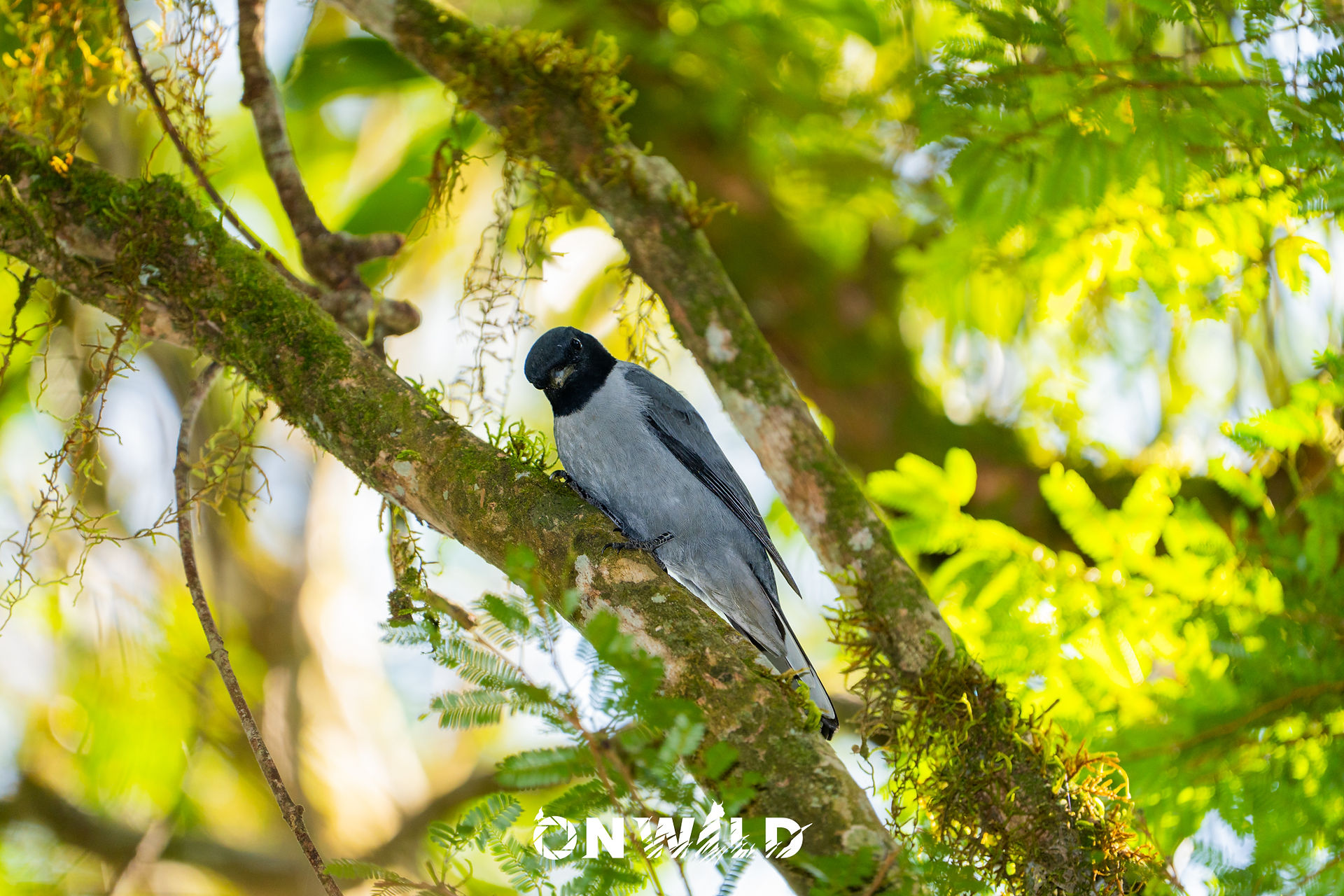
As we entered the park, we took a path we had not explored before. It was still within the tourist area but less frequented. Along the way, we encountered several bird species. First, a Paradise flycatcher, with its long tail in males. Then, once again, the incredible Madagascar Blue Vanga. The contrast of its bright blue against the green forest is striking. Further along, we saw a Crested Drongo and later a Madagascar Cuckooshrike, which stayed long enough for a few decent photos. Eventually, we exited the forest and began descending into the transition zone.



The transition to civilization
The forest ended abruptly. One moment dense vegetation, the next an open agricultural field. The contrast was stark. That was the boundary. Where the park ended and human territory began.
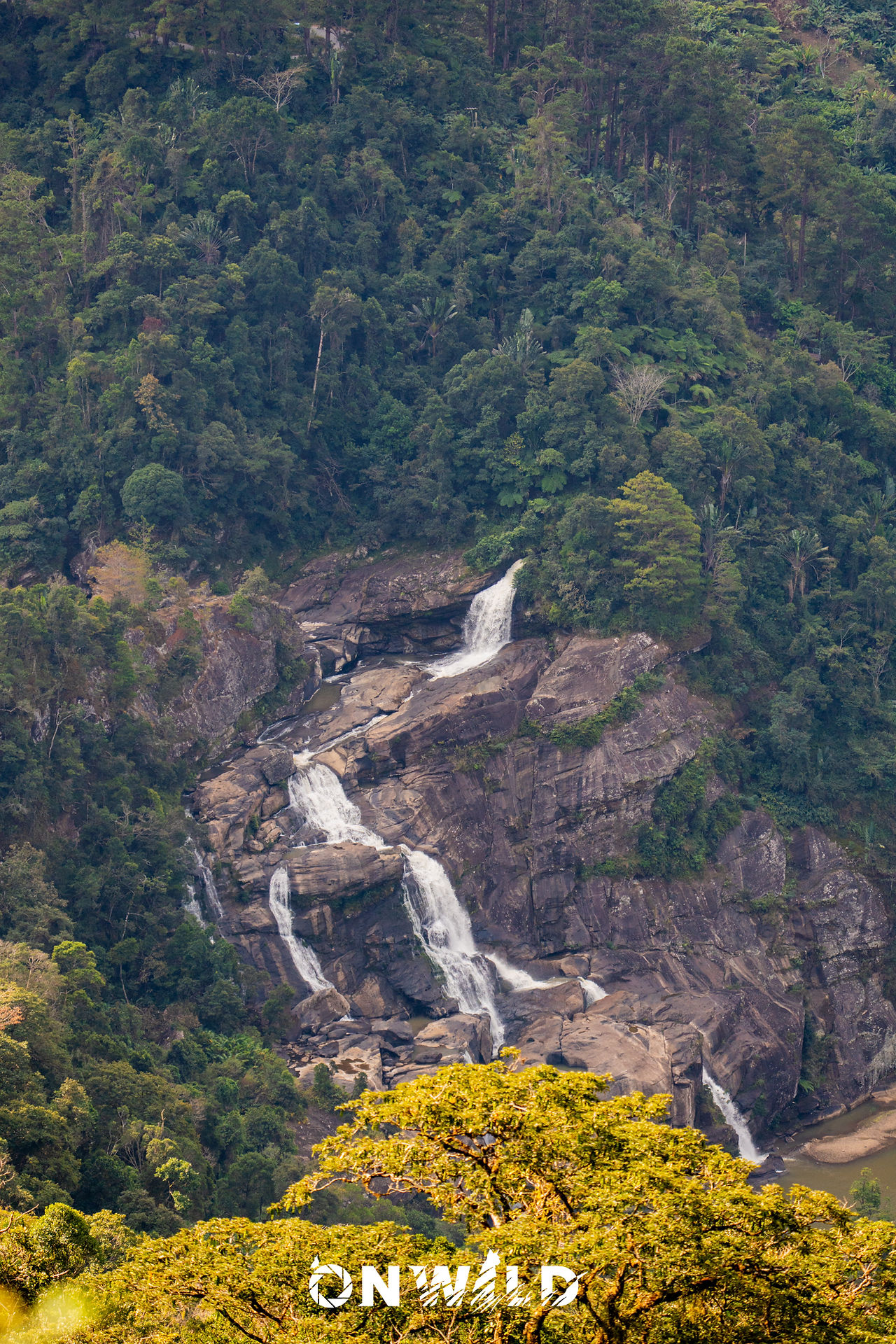
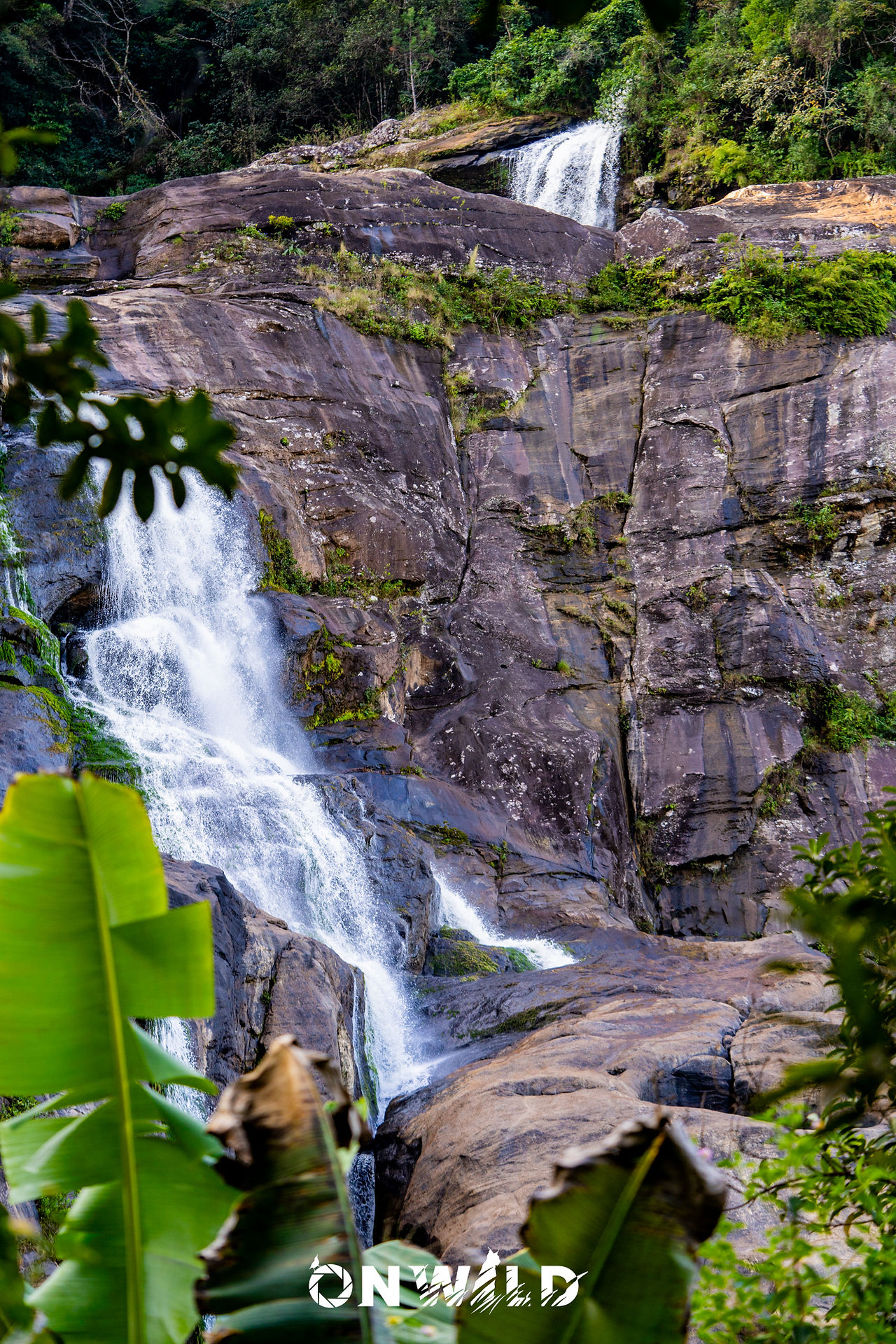
Without the trees, the landscape opened up. We could see the village in the distance, and realize how far we still had to go. Nearby, we heard running water, possibly a waterfall. Mamatina confirmed we would pass it.
As we descended, we reached banana plantations stretching across the landscape. Soon after, we reached the river and waterfall. A few photos, and we continued toward Ranomafana. The first houses were simple, made of mud with thatched roofs. Children played nearby. Further ahead, larger houses appeared, belonging to local authorities, according to Mamatina.
We crossed a narrow bridge filled with people returning home at the end of the day. He explained that the original bridge had collapsed years ago and was never fully rebuilt. We passed a football field where children played barefoot. It was tempting to join, but we had to keep moving.
Along the way, we saw enormous spider webs stretching between buildings, easily three meters across.
By the time we reached the center of Ranomafana, the day was winding down. Small market stalls lined the road, most already closing. We waited about thirty minutes before a vehicle from ValBio arrived to take us back. Within ten minutes, we were back at the center.
There was still some light left. I photographed swallows settling for the night near the entrance.
Then dinner. And finally, rest.






Comments